Discover is a curious word. I have been fascinated with the word discover for some time. We like to think that it means to learn or invent something spontaneously– as if producing something new out of thin air. We say Galileo discovered the laws of motion. Sir Isaac Newton discovered gravity. Christopher Columbus discovered North America. But the truth is that those things were there all along. The forces of gravity worked upon Achilles, Hector and Agamemnon just as effectively as they do upon you and me, today. These things were not transmogrified at their moments of discovery. They were revealed to be true. The cover of ignorance– of unknowing– had been removed: discovered, uncovered.
Art is different. At the moment art is revealed it is handed over. Art is a sacrificial gift to be coveted, savored, squandered, mocked or copied. And there is nothing the artist can do about that choice once it has been given.
 The relationship between artist and audience is a strained one. I believe an artist both loves and hates the audience. The artist requires an audience. Is an unread novel really a novel, regardless of how well-drafted it may be? Is a painting truly art if no one views it? Does an actor really act if the balcony is empty? I do not think so. I concede it may be possible to consider these events artistic absent any witnesses; but they strike me as something closer to lost treasures, valueless until the day they are actually discovered.
Now some artists have had fun with this bit of cosmic irony, postulating a world in which discovery functions much more like true prestidigitation. This brings a whole new meaning to something like the Copernican revolution. I appreciate that. I think it speaks to a motivation for some artists: a desire to change the world through expression.
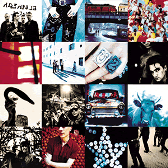 We talk about art being derivative. Or at least we talk that way when we do not like it. When we like a piece of art we talk about how it was inspired by others’ works. It is not imitation. I think these two reactions are emotional gut-checks on essentially the same phenomenon facing creativity. I believe creativity is a virus– creativity can infect others, induce them to write, to paint, to sculpt, to sing. And yet we seem to approach that fact with mixed emotions. We complain that our creativity is being copied at the same time we become excited that someone has thought so much of what we have created to do something themselves.
 Beta|Erinyes