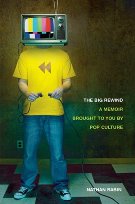
 The Big Rewind is a collection of autobiographical essays by Nathan Rabin. Rabin is the third author to be featured at the panel discussion I attended last month over at the DePaul Center. He was the first to read a selection and the sound engineering was not entirely worked out so I missed much of what he was saying. To compensate for that I picked up The Big Rewind before leaving the discussion and now am going to give it a shot.
Roger Ebert described Rabin’s life as reading “like a fanboy’s collision with Dostoevsky.” I got to talk briefly with Rabin after the panel discussion, mostly pleasantries and a brief discussion of the Watchmen t-shirt I was wearing at the time. This was stark contrast to the themes of the essay he read for the crowd earlier. While I do not consider myself an artist I try to always be looking forward to new forms of expression and creative endeavors. And insights into the hyper-accelerated pop culture world in which I find myself are have been curiously entertaining to me in the past. It is what drew me to reading Chuck Klosterman, and Klosterman is now the indirect catalyst for me reading Rabin.
Publishers Weekly writes:
Rabin, a writer for the Onion‘s arts section, endured a dysfunctional childhood marked by parental abandonment, a stint in a mental hospital and an adolescence spent in a group home and a drug-ridden co-op house. And in this memoir, he views his life through the blurry lens of formative cultural influences. His episodic narrative recounts a sarcastic, insecure youth’s gonzo misadventures with a cast of freaks, misfits and aloof or cruelly promiscuous girlfriends, then moves on to adult run-ins with air-sick celebrities, bored prostitutes and nutty Hollywood types. Convinced that cultural tastes reveal the soul, like a My Space page, Rabin opens each chapter with an earnest (though rarely incisive) appreciation of some favorite in a personal canon that ranges from rap albums to The Great Gatsby, and intrusively peppers his writing with pop culture references. There are, alas, limits to the evocative power of pop culture references, and the author’s arcane allusions — Susanne and Jack’s relationship was like a gender-switched version of the star-crossed duo in the Stephen Malkmus song ‘Jenny and the Ess-Dog’ — test them. Rabin’s vigorous, smart-assed prose sometimes brings the sideshow vividly to life, but it’s marred by self-conscious fanboyism and labored jokiness.


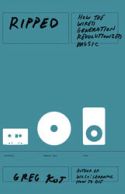 Greg Kot is joining Chuck Klosterman and Nathan Rabin at the DePaul Barnes and Nobel next week to talk about the role of music in their work and lives. I’m planning on attending for a number of reasons. Music is a topic I’m very interested in. Klosterman is an author I’ve come to enjoy a great deal over the past several years. And most coincidentally, Greg Kot is the music columnist for the Chicago Tribune where I work. But that’s not all. Kot’s latest book, Ripped: How the Wired Generation Revolutionized Music, chronicles the massive changes roiling through the music industry in the past fifteen years. Much of the book discusses the ways the Internet has changed music. But before that, Kot spends several chapters discussing the transformative effects of radio consolidation that gripped the industry in the 1990s: for example, the second chapter of Ripped details the practices of Clear Channel under the direction of Randy Michaels. Randy Michaels is now the current Chief Operating Officer of Tribune Company. Several other key Clear Channel executives were recruited to Tribune eighteen months ago when Tribune Company went private. Meet the new boss, indeed.

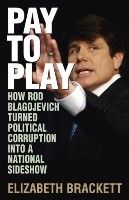 I feel I’ve been on a political roller-coaster this year in Illinois. I’m sure part of that has to do with my work
 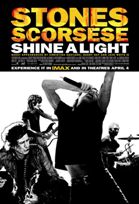 You’re the Rolling Stones. You want to film one of your concerts. Who do you ask to do that? Martin Scorsese! Just let that image percolate in your mind for a minute. A Rolling Stones concert shot as a Scorsese film. Don’t worry. The concert doesn’t end with a pile of dead bodies across the front of the stage. Jagger, Richards, Watts and Wood are very much alive. And they rock! The result is Shine a Light.
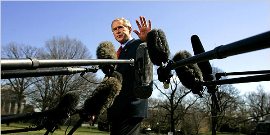 This morning Whirl and I concluded watching the PBS public affairs program, Frontline, turn a critical eye on its own world: modern American journalism. “News War” is a four-part in-depth series about a myriad of issues facing journalism today. Employed as I am by a large media company saddled with debt and riding into an uncertain economic horizon, the topics of this series were near and dear to my heart.
  Beta|Erinyes