 Over three years have passed since I left Midway Games for a position at the Chicago Tribune. A lot has happened in that period of time.
The newspaper’s parent company, Tribune Company was purchased and taken private. The new management reorganized all of the various IT departments into a central service division, Tribune Technology, beneath the Tribune Company corporate umbrella. This reorganization affected my position with the newspaper.
On December 8th, 2008, less than a year after the going private transaction, Tribune Company filed for Chapter 11 bankruptcy protection, citing a precipitous decline in advertising revenue and a credit market frozen by the housing bubble. Tribune has been in bankruptcy proceedings ever since.
As a result of investigations relating to the bankruptcy filing, independent examiners have stated they believe it is at least “somewhat likely” that the entire proceeding — from the levereged buyout to the bankruptcy protection — was fraudulent from the beginning.
In December of 2009, Sam Zell resigned as CEO but remained on as Chairman of the Board. Randy Michaels took over as CEO. This was the second promotion for Michaels within 18 months. A colony of other executives from Clear Channel joined Michaels to operate various aspects of Tribune’s businesses. Of these assorted personnel changes, the hiring of Steve Gable as Chief Technology Officer had the greatest direct effect on my day-to-day job within the company. I reported to four managers between September 2008 and December 2009. This frenetic guidance and direction — filtered through the various levels of management — set the tone for my workday: a race condition like no other I had experienced before.
Volatility became my watchword. Things changed. And things changed very quickly. One of my colleagues described the feeling as being like “working for a 143 year-old startup.” During my tenure, I participated in some incredible projects. I was tapped to be the networking support for our editorial coverage of both the DNC and RNC 2008 political conventions. I was part of a team that built a brand new national wide-area network, and the technical lead to build a brand new datacenter. Both the second and third project involved new technology, new challenges, strict budgets, and tight deadlines. I learned an incredible amount. I had the opportunity to work with some of the brightest, kindest, and most interesting people in my career.
All of this is a rather long prelude to what I’m wanting to say. So I suppose I should stop dissembling and get to the point. (During my time in the newspaper business I have learned how to bury the lede.) At the end of July I tendered my resignation with Tribune and accepted a position with the National Opinion Research Center. Established in 1941, NORC is a not-for-profit social science research organization associated with the University of Chicago. Clients include the the Bureau of Labor Statistics, the Centers for Disease Control, CNN, the Department of Defense, the New York Times, the US Department of Labor and the Wall Street Journal.
I was not actively looking for another position. In spite of how it may have sounded, given all the instability with Tribune I summarized earlier, I was not looking to leave. I liked my job there. As I said, I worked with great people. I liked what I was doing. I learned. I grew. The position with NORC was an opportunity in the most literal sense of the term: a favorable juncture of circumstances. They do not come often. I took it.
My particular projects and tasks at NORC are quite similar to those I had at Tribune, but the business is quite different. And it is my sincere hope that in making this shift I have exchanged volatility for stability without sacrificing personal growth and further opportunity. I don’t think I have.
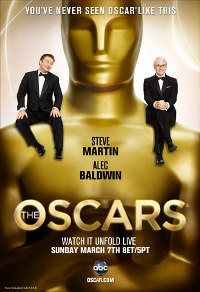 Hello, Adoring Fans! It’s Steph here once again for another evening of live blogging. It’s Oscar night, and a tradition at the Warehouse to watch the pageant of contemporary popular culture and eat round candy. Last year we added a blogging element to the festivities. A few weeks ago I was joined by several friends in live blogging the Golden Globe awards. Our cast of commentators has returned this evening and expanded to include one more. Joining me tonight we have Bingo, Smokes, niqui, Bitsy, and Princess.
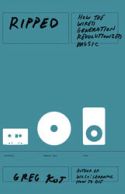 Greg Kot is joining Chuck Klosterman and Nathan Rabin at the DePaul Barnes and Nobel next week to talk about the role of music in their work and lives. I’m planning on attending for a number of reasons. Music is a topic I’m very interested in. Klosterman is an author I’ve come to enjoy a great deal over the past several years. And most coincidentally, Greg Kot is the music columnist for the Chicago Tribune where I work. But that’s not all. Kot’s latest book, Ripped: How the Wired Generation Revolutionized Music, chronicles the massive changes roiling through the music industry in the past fifteen years. Much of the book discusses the ways the Internet has changed music. But before that, Kot spends several chapters discussing the transformative effects of radio consolidation that gripped the industry in the 1990s: for example, the second chapter of Ripped details the practices of Clear Channel under the direction of Randy Michaels. Randy Michaels is now the current Chief Operating Officer of Tribune Company. Several other key Clear Channel executives were recruited to Tribune eighteen months ago when Tribune Company went private. Meet the new boss, indeed.
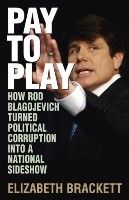 I feel I’ve been on a political roller-coaster this year in Illinois. I’m sure part of that has to do with my work
  Blame my increased interest in American politics on my employment by the fourth estate. Or my presence at both political conventions this year. Or the unusually close proximity of my home to the Election Night rally in Grant Park — and all that means for the junior senator from Illinois, now president-elect of the United States. Or maybe it’s just middle age reminding me that I should put down the comic books, turn off the video games and pay closer attention to the wider world around me.
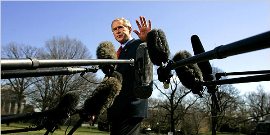 This morning Whirl and I concluded watching the PBS public affairs program, Frontline, turn a critical eye on its own world: modern American journalism. “News War” is a four-part in-depth series about a myriad of issues facing journalism today. Employed as I am by a large media company saddled with debt and riding into an uncertain economic horizon, the topics of this series were near and dear to my heart.


 Beta|Erinyes